From pigment wetting and agglomeration control to external lubrication and torque reduction—a Fischer-Tropsch wax selection reference for masterbatch formulators, with grade parameters drawn from the real Heyee Chem HY series.
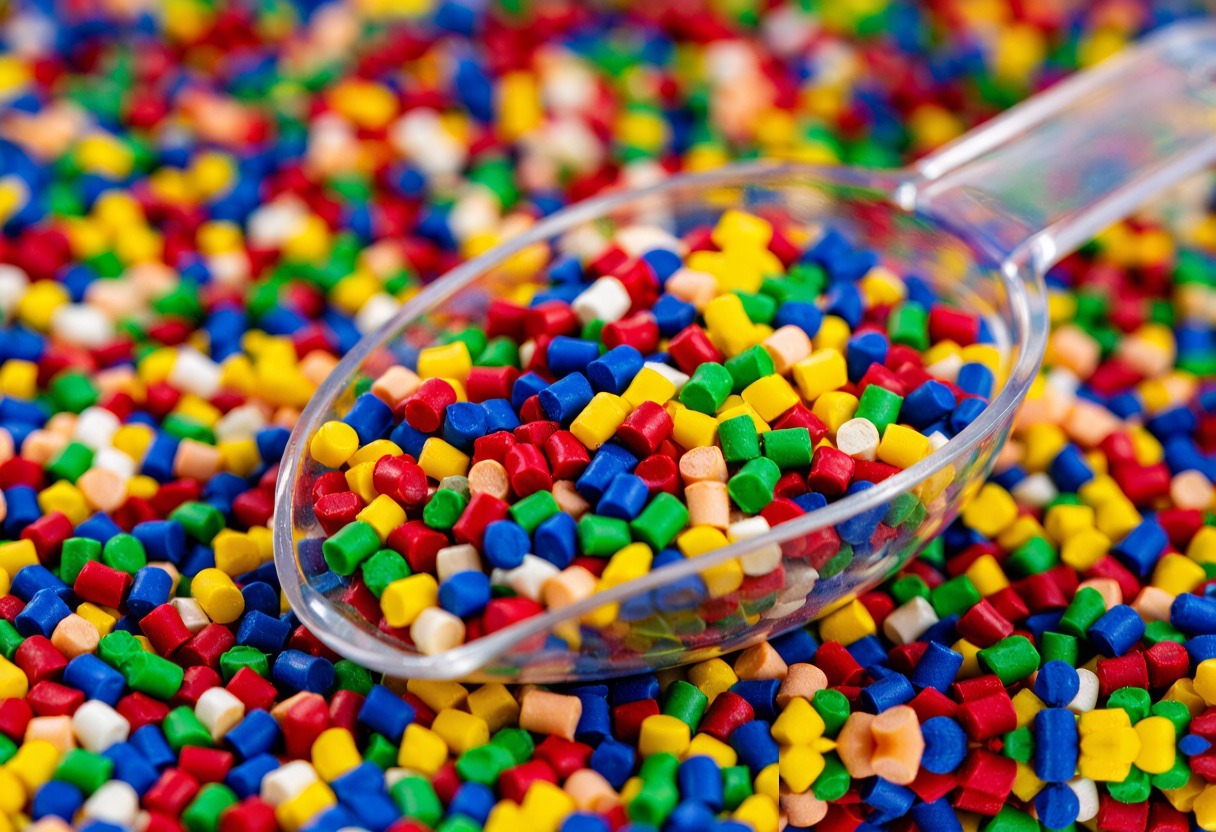
Color Masterbatch is a concentrate that disperses pigments/fillers at high concentration into a carrier resin. The core challenge is fully wetting, de-agglomerating and stably dispersing the solid particles; otherwise color spots, streaks and low tinting strength appear. Low-molecular-weight polyolefin waxes play two roles here:
Composed mainly of straight-chain alkanes with a narrow molecular-weight distribution and white color, Fischer-Tropsch wax (F-T Wax) outperforms broadly distributed paraffin and cracked PE wax in dispersion uniformity, tinting-strength stability and low blooming.
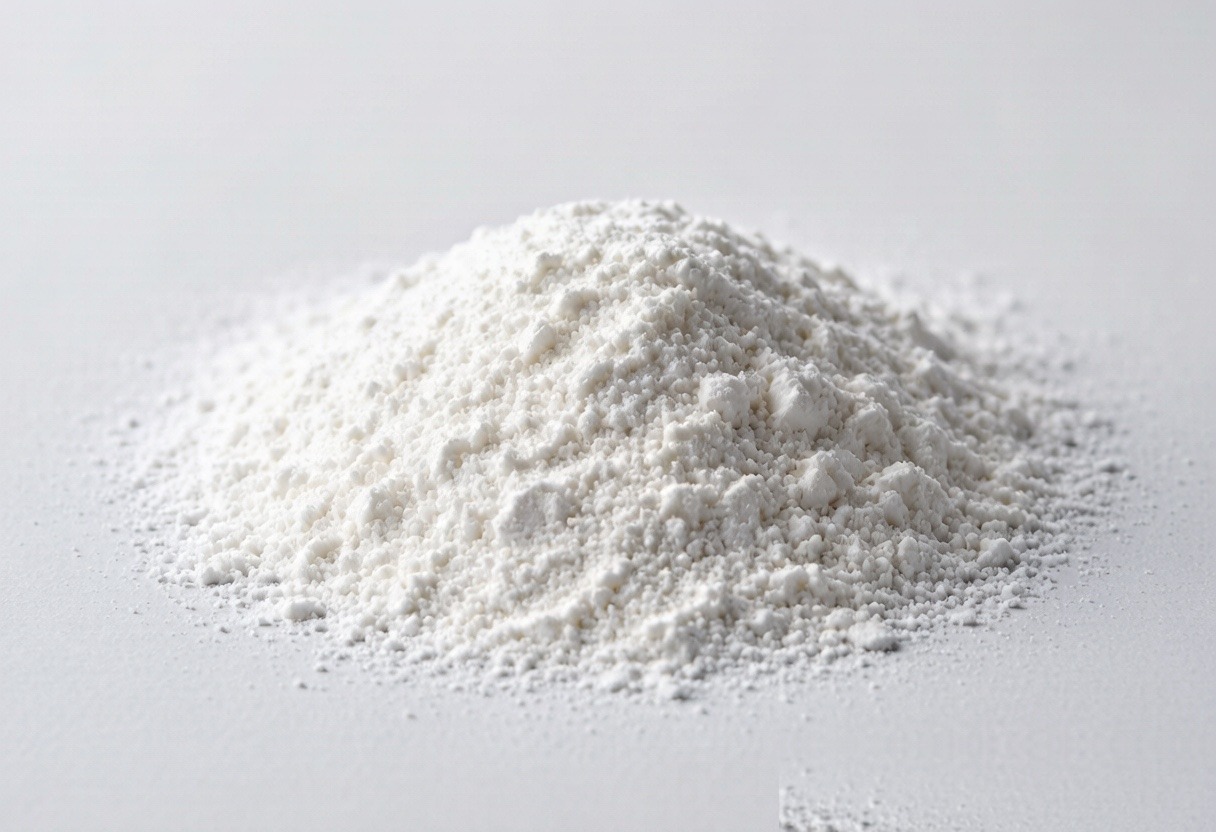
| Model | Congealing / Drop Melting Point | Key Specs | Form | Masterbatch Application |
|---|---|---|---|---|
| HY-W104 | Congealing point 102–108℃ / Drop melting point ≥117℃ | Penetration ≤1 | White powder | Premium micro-powder, high-concentration/high-temperature masterbatch, low bloom risk |
| HY-40 | Softening point ≥116℃ / Melting point >106℃(DSC) | 149℃ viscosity 20–40 cP, Penetration <2 | White micro-beads | Dedicated to masterbatch and hot-melt adhesive, good flow and easy dispersion |
| HY-115 / 115P / 115M | Congealing point 99–103℃ / Drop melting point >110℃ | Penetration <3 | Powder/micro-beads | General-purpose, balanced cost-performance |
| HY-7100D | Drop melting point ≥100℃ / Congealing point ≥95℃ | Good lubrication and dispersion | White granules | Filler masterbatch, standard masterbatch, PE-wax-class cost-performance |
| HY-102 | Congealing point 99–103℃ / Drop melting point >110℃ | Penetration <2 | White powder | Hot-melt adhesive, coatings, general PVC |
High-pigment masterbatch Premium → HY-W104, HY-40 (high dispersion, low bloom)
General color masterbatch → HY-115 / HY-115P / HY-115M
Filler masterbatch / cost-down → HY-7100D (PE-wax class), or blended with HY-W104
High-processing-temperature engineering masterbatch → prefer high-melting grades (HY-W104, HY-102) for morphological stability
Color masterbatch requires uniformly dispersing high-concentration pigments/fillers into the carrier resin. As a low-molecular-weight polyolefin, F-T wax has a low melting point and strong wetting ability: it wets pigment particle surfaces, reduces agglomeration, and improves dispersion uniformity and tinting strength, while acting as an external lubricant to lower extrusion shear heat and torque. High-melting micro-powder grades such as Heyee HY-W104 (drop melting point ≥117℃) also remain morphologically stable during high-temperature masterbatch processing and are less prone to blooming.
F-T wax offers a narrower molecular-weight distribution, higher purity and whiter color, giving more stable dispersion and tinting-strength performance; PE wax is lower in cost and offers better value. In practice the choice is matched to pigment concentration and carrier resin: high-concentration/premium masterbatches favor F-T wax (e.g. HY-W104, HY-115), while standard filler masterbatches can use PE wax (e.g. HY-7100D) or a blend of the two to balance cost.
Typical addition is 1%–5% of total masterbatch, depending on pigment concentration, carrier resin and processing temperature. Because high-melting micro-powder wax (HY-W104) disperses efficiently, it often achieves equivalent tinting strength at a lower dosage than ordinary wax; overdosing can instead cause surface blooming or impair weld strength, so decisions should be based on the measured COA and lab trials.
Recommended: HY-W104 (congealing point 102-108℃, drop melting point ≥117℃, penetration ≤1, white powder, premium micro-powder), HY-40 (softening point ≥116℃, 149℃ viscosity 20-40 cP, white micro-beads, dedicated to masterbatch and hot-melt adhesive), HY-115/115P/115M (congealing point 99-103℃, drop melting point >110℃, general-purpose), HY-7100D (drop melting point ≥100℃, granules, balancing lubrication and dispersion).
Compared with paraffin wax, high-melting, narrow-distribution F-T wax is more compatible with polyolefin carriers at processing temperatures, so the bloom risk is markedly lower. Total dosage should still be controlled and matched to the carrier melting point; we recommend a small trial first to check for surface frost or any impact on subsequent printing/welding before finalizing the production formula.
