From viscosity reduction and wetting to enhanced heat resistance—a detailed look at the multiple roles of Fischer–Tropsch wax in EVA hot melt adhesives. All grade parameters come from the real Heyee Chem HY series.
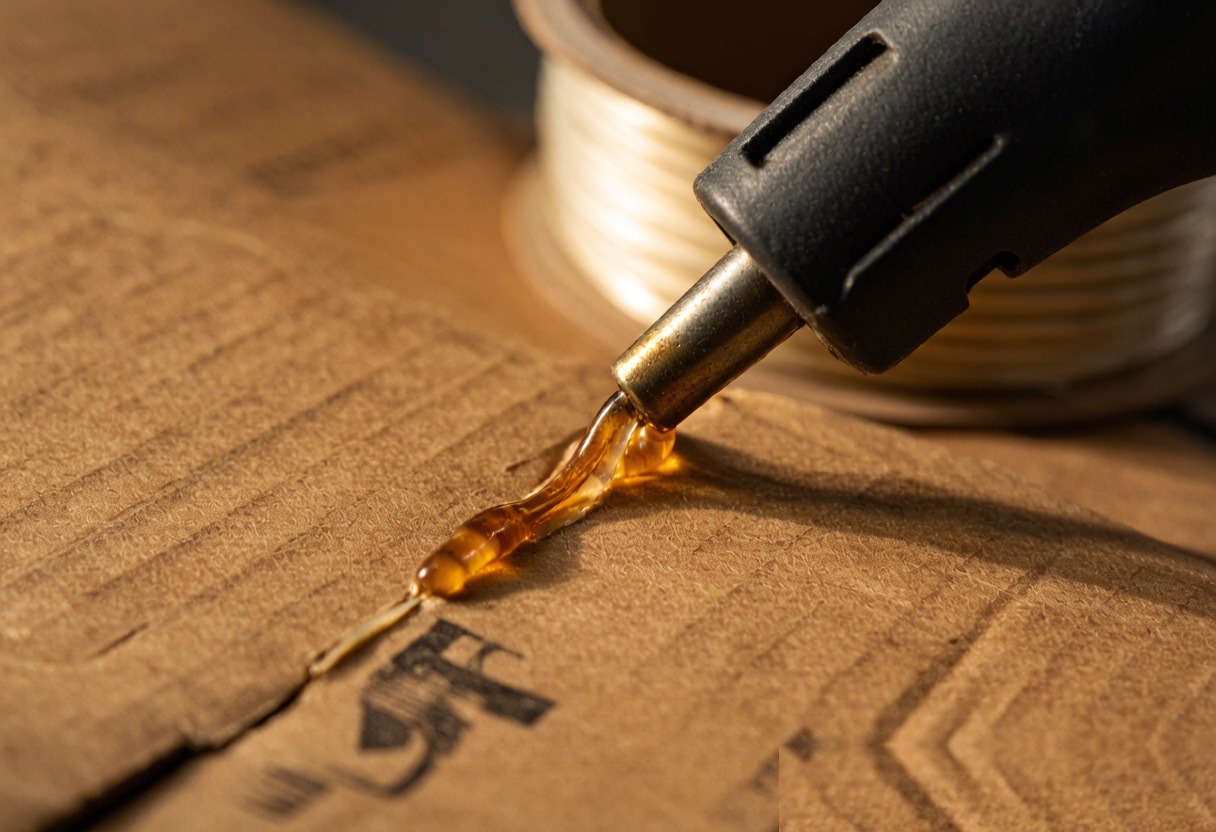
Hot melt adhesive (Hot Melt Adhesive, HMA, most commonly EVA-based) must have a suitable melt viscosity at application temperature for coating, yet must cure quickly after cooling to form a strong bond. Low-molecular-weight polyolefin wax plays the following roles:
Fischer–Tropsch wax has a narrow molecular-weight distribution, high purity, white color, and low odor, giving it clear advantages in hygiene products, packaging, and bookbinding where consistency and low odor are demanding.
| Grade | Congealing / Dropping Point | Key Indicators | Form | Role in HMA |
|---|---|---|---|---|
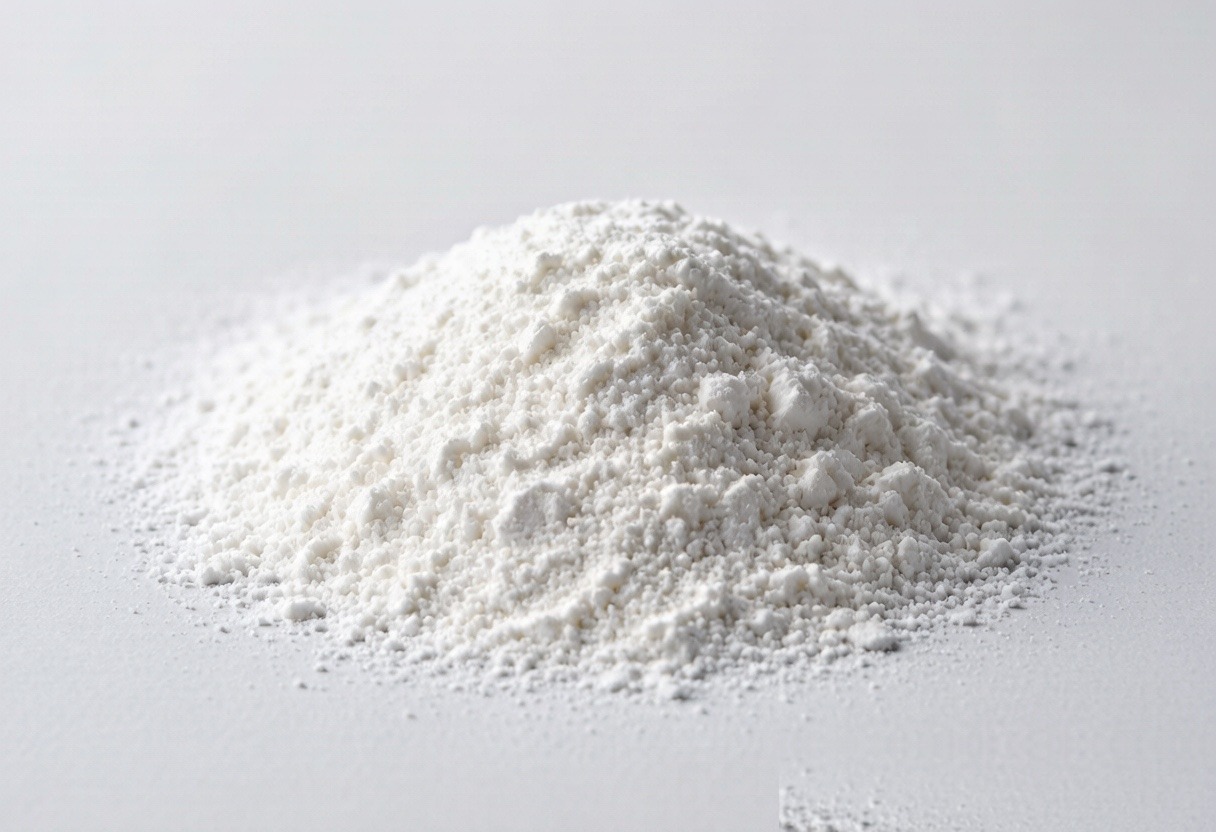
| HY-102 | congealing point 99–103℃ / dropping point >110℃ | penetration <2 | white powder | general-purpose EVA HMA, viscosity reduction |
| HY-W104 | congealing point 102–108℃ / dropping point ≥117℃ | penetration ≤1 | white powder | high-end / high-temp resistance, raises softening point |
| HY-105 | congealing point >95℃ / dropping point >105℃ | penetration <9 | microbeads | hot melt adhesive, PVC stabilizer |
| HY-7100D | dropping point ≥100℃ / congealing point ≥95℃ | good lubrication & dispersion | white granules | PVC processing, rubber, hot melt adhesive |
| HY-40 | softening point ≥116℃ / melting point >106℃(DSC) | viscosity 20–40 cP at 149℃, penetration <2 | white microbeads | adjusts melt flowability, masterbatch / HMA |
| HY-720 (liquid wax) | congealing point <25℃ | viscosity >20 cP at 100℃, open flash point >300℃ | liquid | rubber & plastic processing aid, viscosity reduction / lubrication |
General-purpose EVA HMA → HY-102, HY-7100D
Heat-resistant HMA / high softening point → HY-W104, HY-105
Melt-flow adjustment → HY-40 (viscosity 20–40 cP at 149℃)
Further viscosity reduction / liquid aid → HY-720 liquid wax
Hot melt adhesive (HMA, commonly EVA-based) needs a suitable melt viscosity at application temperature for coating, yet must cure quickly after cooling to form a strong bond. Fischer–Tropsch wax has a low melting point and high viscosity-regulating efficiency: it markedly lowers melt viscosity, improves wettability, shortens open time, and accelerates curing. High-melting-point grades (e.g., Heyee HY-W104, dropping point ≥117℃) also raise heat resistance and the softening point.
Low-melting-point wax lowers the system melt viscosity and accelerates spreading, generally shortening the open time (open time = the bondable window during which tack is retained after coating). High-melting-point wax raises overall heat resistance and the softening point. By blending low- and high-melting-point waxes, a balance among viscosity, open time, and heat resistance can be achieved. Heyee HY-40 (viscosity 20–40 cP at 149℃) is used to adjust melt flowability.
General-purpose EVA HMA: HY-102 (congealing point 99–103℃, dropping point >110℃, penetration <2), HY-7100D (dropping point ≥100℃, granules, balancing lubrication and dispersion); high-end / high-temperature resistance: HY-W104 (dropping point ≥117℃), HY-105 (dropping point >105℃); melt-flow adjustment: HY-40 (viscosity 20–40 cP at 149℃); when lower viscosity or a processing aid is needed, consider HY-720 liquid wax (congealing point <25℃, viscosity >20 cP at 100℃, open flash point >300℃).
A moderate amount of wax mainly improves processability (viscosity reduction, wetting, curing) and has limited effect on bond strength; however, excessive wax dilutes the main resin and lowers cohesive strength, causing brittleness or easy peel-off. The upper limit should be determined by lab trials—generally the shortest open time that still achieves good coating and curing—followed by verification of peel strength.
Fischer–Tropsch wax has a narrow molecular-weight distribution, high purity, white color, and low odor, giving it better processing stability and appearance than ordinary paraffin; compared with microcrystalline wax, its cost is more controllable. For high-end packaging, hygiene products, bookbinding, and other applications demanding low odor and high consistency, Fischer–Tropsch wax (e.g., HY-W104, HY-102) is the preferred choice.
